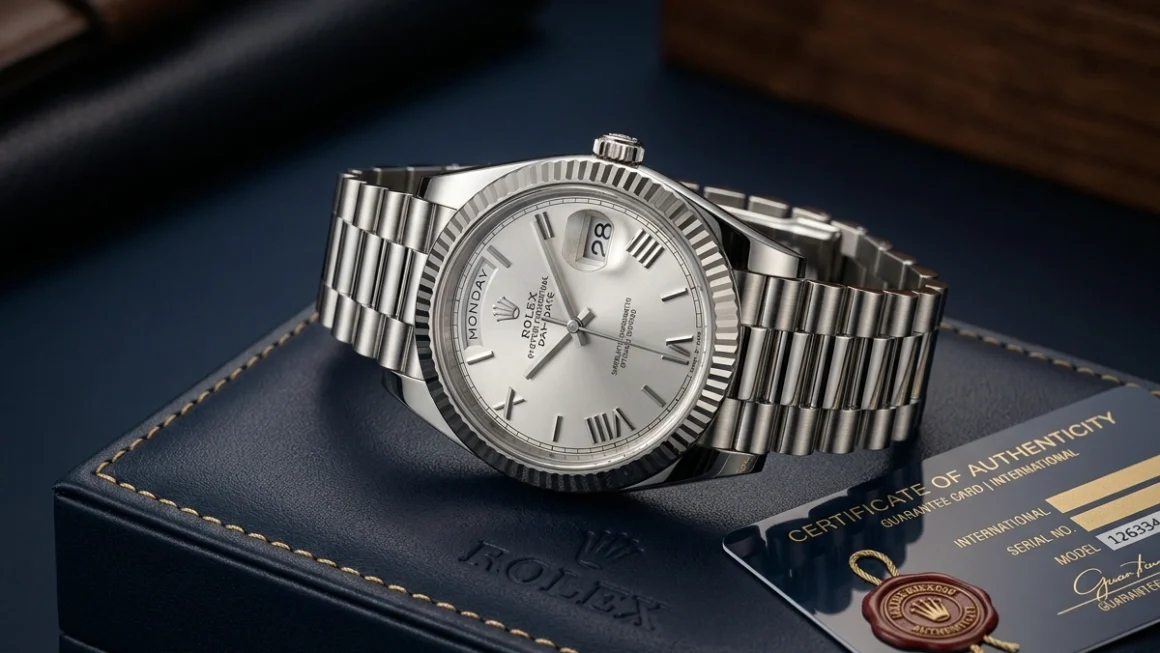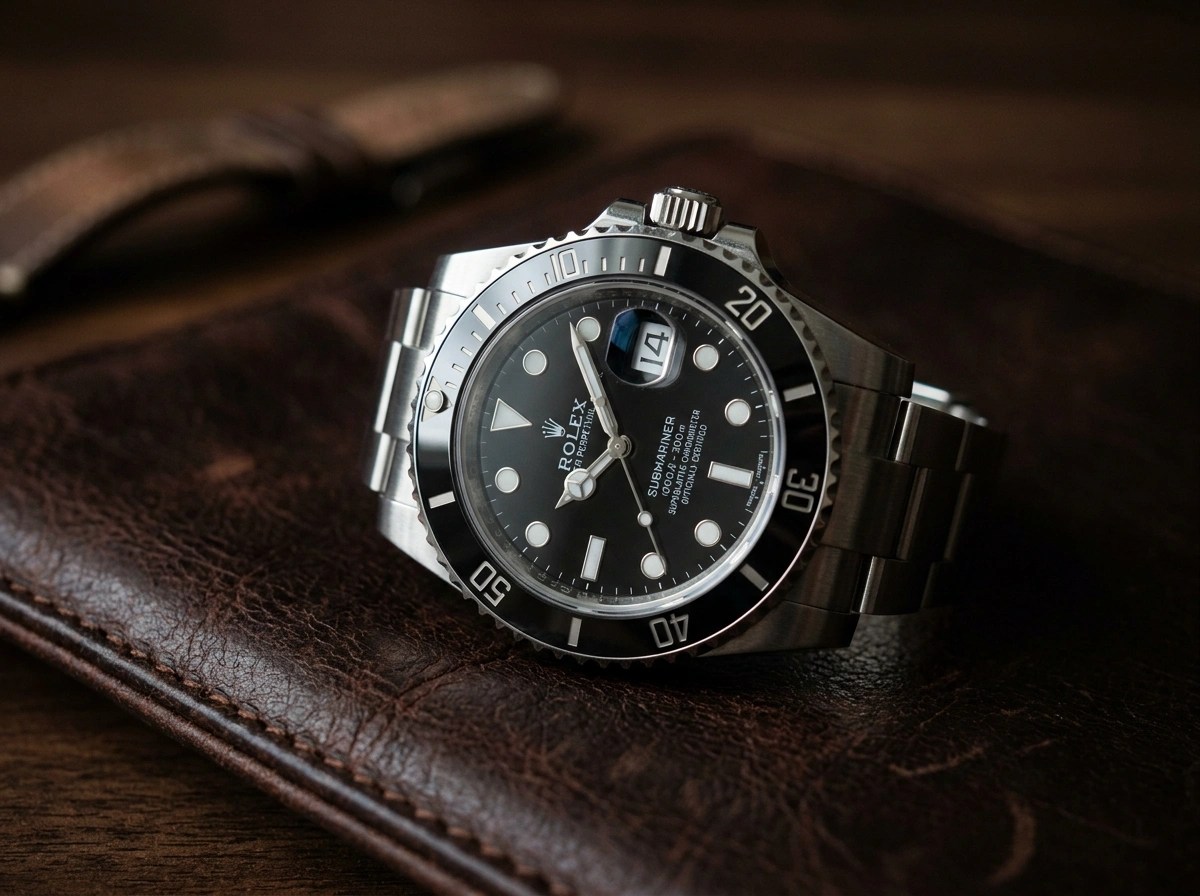
The Rolex name carries serious weight. It signals success, taste, and a certain timeless style. But with authentic models often costing more than a used car, plenty of watch fans look for an alternative that captures the look without the eye-watering price tag. That’s where replicas come in.
If you’re shopping for your first replica Rolex, you’re stepping into a world that’s bigger and trickier than most people expect. The quality ranges from laughably bad to shockingly convincing. The sellers range from honest specialists to outright con artists. And the difference between a smart purchase and a wasted one often comes down to knowing what to look for before you spend a dime.
This guide walks you through everything a first-timer needs to know. By the end, you’ll be able to shop with confidence and dodge the common traps that catch new buyers off guard.
What to Know Before You Buy a Replica Rolex
Before you even start browsing, set your expectations and understand the landscape. Replicas aren’t all created equal, and the terms sellers use matter.
You’ll often see watches labeled as “AAA,” “Swiss clone,” or “1:1 super clone.” These labels aren’t standardized, so one seller’s “AAA” might be another’s mid-tier offering. Generally speaking, the higher the grade and the more it costs, the closer it gets to the real thing in weight, movement, and finishing.
A few key points to keep in mind:
- Price reflects quality. A $40 watch and a $400 watch are not in the same league. The cheap end usually means flimsy materials, quartz movements, and obvious flaws. Higher-tier replicas use automatic movements and surgical steel that feel far more authentic.
- Movement matters most. The movement is the engine inside the watch. Better replicas use automatic mechanical movements that mimic the smooth sweep of a genuine Rolex second hand. Cheaper versions tick like a department-store watch.
- Legality is gray. Owning a replica for personal use generally won’t get you in trouble in the U.S., but reselling counterfeit goods or passing them off as genuine is a different story and can carry legal consequences. Buy for yourself, not to deceive others.
Knowing these basics keeps your decisions grounded. You’ll spot inflated claims faster and understand what your budget actually buys.
How to Identify a Quality Replica
A great replica earns its keep in the details. Here’s how to separate the convincing pieces from the cheap knockoffs.
Weight and feel. Genuine Rolex watches are heavy thanks to solid steel construction. A quality replica should have real heft to it. If the watch feels light and hollow, that’s a giveaway.
The dial and text. Look closely at the printing. On a good replica, the text is crisp, evenly spaced, and perfectly aligned. Blurry fonts, smudged lettering, or crooked logos point to low quality. The Rolex crown logo should be sharp and well-defined.
The cyclops lens. Rolex date windows feature a magnifying lens that enlarges the date by about 2.5 times. Many cheap replicas use weaker magnification, so the date looks small. A strong cyclops is a good sign.
Movement and second hand. Watch the second hand sweep around the dial. A smooth, gliding motion suggests a mechanical movement. A jerky, ticking motion usually means a budget quartz piece inside.
Bracelet and clasp. The bracelet should feel solid, with tight links and a clasp that snaps shut cleanly. Wobbly links and loose clasps reveal corners that were cut.
For deeper comparisons and detailed model breakdowns, resources like Replica rolex can help you study the fine points before you commit to a purchase.
Red Flags and Scams to Avoid
The replica market attracts its fair share of bad actors. Protecting yourself starts with recognizing the warning signs.
Prices that seem too good to be true. If a “1:1 super clone” is advertised for $50, walk away. Quality costs money. Rock-bottom prices usually mean either a scam or a worthless product.
Sellers claiming their watch is “genuine” or “authentic.” No legitimate replica seller will tell you their product is a real Rolex. Anyone making that claim is either lying about the watch or trying to scam you outright.
No real photos. Reputable sellers post their own clear, detailed photos of the actual product. If a listing only shows stock images lifted from Rolex’s official site, be cautious. You can’t judge what you can’t see.
Pressure tactics. “Only two left!” or “Buy in the next ten minutes for a discount!” are classic manipulation moves. A trustworthy seller doesn’t need to rush you.
Sketchy payment methods. Be wary of sellers who only accept wire transfers, gift cards, or cryptocurrency with no buyer protection. These payment methods are nearly impossible to reverse if you get scammed. Look for options that offer some recourse.
No reviews or fake-looking ones. Dig into seller feedback. A pattern of complaints about non-delivery, wrong items, or ghosting after payment is a hard no. On the flip side, reviews that all sound identical and overly glowing may be fabricated.
Where to Buy Safely
Finding a reliable source is half the battle. Here’s how to shop smart.
Stick to established sellers with a track record. Sellers who’ve been around for years and have a steady stream of genuine customer feedback are your safest bet. Longevity in this market usually means they deliver.
Use forums and communities. Watch enthusiast forums and discussion groups are gold mines. Members share honest reviews, name trusted dealers, and warn others about scams. Lurk for a while and learn before you buy.
Look for clear communication. A good seller answers your questions promptly and honestly. If someone dodges direct questions or gives vague answers about materials and movements, that’s a sign to move on.
Check return and quality-control policies. The best sellers offer quality-control photos before shipping and have a clear policy for handling defects or shipping problems. This shows they stand behind what they sell.
Start small. For your first purchase, consider a lower-stakes order to test a seller before committing to a pricier piece. This lets you judge their reliability without major risk.
Whatever route you choose, take your time. The replica market rewards patient buyers who do their homework and punishes those who rush in.
Key Takeaways
Buying your first replica Rolex doesn’t have to be a gamble. With the right knowledge, you can land a watch that looks sharp, feels solid, and doesn’t leave you feeling cheated.
Keep these points front of mind:
- Set realistic expectations. Price reflects quality, and the grading labels are loose, so judge each watch on its actual specs.
- Inspect the details. Weight, dial printing, the cyclops lens, movement, and bracelet quality all reveal a watch’s true caliber.
- Watch for red flags. Too-cheap prices, “authentic” claims, stock-only photos, pressure tactics, and risky payment methods are all signals to walk away.
- Choose your seller carefully. Established sellers, community recommendations, clear communication, and solid policies separate the trustworthy from the trouble.
Take your time, ask questions, and trust your research over flashy marketing. Do that, and you’ll get the timeless style you’re after without getting burned in the process.