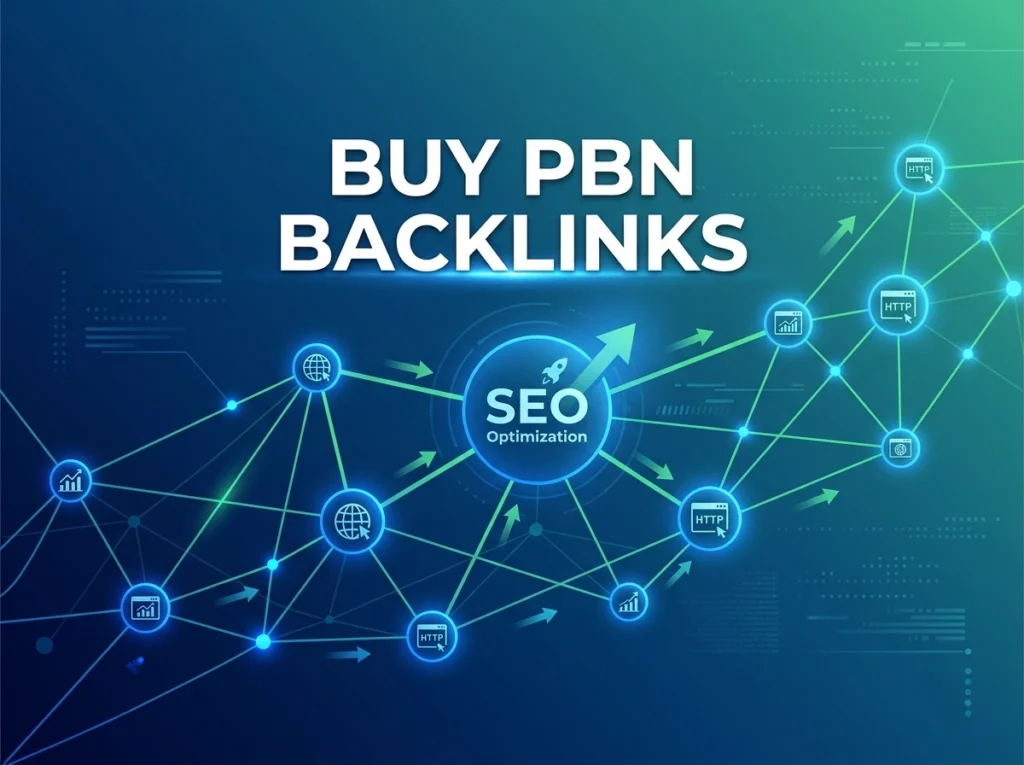
Search engine optimization relies heavily on the strength and quality of a website’s backlink profile. While on-page optimization and technical audits lay the foundation for a healthy website, off-page signals ultimately determine how well a page ranks for competitive search queries. Acquiring high-quality inbound links remains one of the most challenging aspects of digital marketing. Many site owners struggle to secure authoritative placements through traditional outreach methods, which often yield unpredictable results and require significant time investments.
A Private Blog Network (PBN) offers a specialized approach to solving this link-building challenge. By utilizing a cluster of authoritative websites owned by a single entity, digital marketers can direct powerful link equity to specific target pages. These networks are built using expired domains that have already accumulated trust, historical authority, and a robust backlink profile from their previous existence. When these domains are repurposed to host relevant content, they become highly effective vehicles for passing ranking power to a central “money site.”
This article explores the mechanics behind these networks and their role in a broader search strategy. You will understand how these systems funnel authority, the strategic advantages they offer over standard link acquisition, and the meticulous management required to operate them safely. By examining the technical setup, risk mitigation strategies, and long-term benefits, you can make informed decisions about incorporating this method into your digital marketing efforts.
How PBN Backlinks Work
The foundation of any successful private network lies in the careful acquisition of expired domains. Every day, thousands of domain names expire because their previous owners fail to renew them. Many of these domains belong to former businesses, established blogs, or organizations that naturally accumulated high-quality backlinks over several years. Search engines maintain the historical authority of these domains, provided they have a clean record free from manual penalties or algorithmic suppression.
When an SEO professional acquires one of these domains, they rebuild the site with a new structure, premium hosting, and fresh content. The goal is to create a legitimate-looking website that continues to command the authority it previously earned. Once the site is active and indexed, the owner publishes articles that include strategic outbound links pointing to their main commercial website. Because the network site already possesses high metrics—such as Domain Authority (DA) or Domain Rating (DR)—the link equity flows directly to the target page.
This mechanism bypasses the traditional waiting period associated with earning organic links. Instead of sending hundreds of outreach emails hoping for a single placement, the network owner dictates exactly when and where a link is published. The technical setup involves masking the relationship between the various sites within the network. Network managers use different hosting providers, unique IP subnets, varied content management systems, and distinct registration details. This sophisticated level of footprint management ensures that search engine crawlers view each site as an independent, authoritative entity rather than a node in a connected network.
Why PBN Backlinks Matter for SEO
The primary reason these networks influence search rankings so effectively comes down to absolute control. Traditional link building relies on third-party webmasters who ultimately decide how a link is presented. They might modify the anchor text, bury the link deep within an irrelevant paragraph, or apply a “nofollow” tag that strips the link of its ranking power. Private networks eliminate this unpredictability entirely.
Site owners dictate every aspect of the link placement. You can optimize the exact anchor text to match the target keyword, place the link prominently within the first few paragraphs of an article, and ensure the surrounding content is highly relevant to your niche. This level of precision allows for perfect anchor text optimization, signaling exact relevance to search engine algorithms. If you want to accelerate your search visibility, you can strategically seo pbn backlinks to funnel targeted authority exactly where it is needed most.
Furthermore, this strategy provides a rapid injection of authority. Earning links from high-metric sites organically often requires expensive digital PR campaigns or extensive content marketing efforts. Networks streamline this process, delivering concentrated domain authority that elevates your site’s overall metrics. As your main domain gains this trust, all associated inner pages and long-tail keywords benefit from the rising authority, creating a more robust and resilient search presence across your entire website.
Benefits of Using a Private Blog Network
Integrating network links into a broader search strategy provides several distinct advantages for competitive industries.
Rapid Ranking Acceleration
Standard white-hat link acquisition is a slow process that can take several months to yield noticeable ranking improvements. Network links bypass this prolonged waiting period. Because the domains hosting your links already possess historical trust, search engines index the new content rapidly. The link equity transfers almost immediately upon indexing, leading to noticeable keyword movement in a fraction of the time it would take through manual outreach.
Highly Targeted Traffic Generation
Ranking improvements directly correlate with increased organic traffic. Because network owners have total control over anchor text and content relevance, the resulting rankings align perfectly with commercial keywords. The traffic generated through these specific rankings consists of users actively searching for your exact products or services. This high-intent traffic converts at a much higher rate than broad, untargeted visitors.
Cost-Effective Link Acquisition
Securing guaranteed placements on high-authority websites through guest posting or digital PR can drain a marketing budget quickly. The failure rates of traditional outreach also represent a significant loss of labor hours. Investing in an established network provides a predictable return on investment. You know exactly what metrics the linking domain possesses, the specific placement of your link, and the precise cost involved, making SEO budgeting much more data-driven.
Flexible Scaling Options
As a website grows, its demand for authoritative links increases. Network links offer a highly scalable solution. A local business might require a handful of placements to dominate a specific geographic area, while a national enterprise needs a consistent volume of links to compete on a larger scale. You can adjust link velocity seamlessly to match your growth trajectory, ensuring your site receives a steady, natural-looking influx of authority.
Risks and Best Practices
Operating or utilizing a private network carries inherent risks that require meticulous management. Search engines continuously update their algorithms to identify and devalue artificial link patterns.
Perfecting Footprint Management
The greatest risk to any network is a traceable footprint. If a search engine determines that a cluster of sites is owned by the same entity and used solely for link manipulation, it can de-index the network and penalize the target website. Best practices dictate using completely diverse hosting environments. This means avoiding “SEO hosting” packages and instead utilizing reputable, mainstream hosting providers across different IP subnets. Domain registrars, nameservers, and WHOIS privacy settings must also vary significantly across the network.
Maintaining Content Quality
Search engines are increasingly adept at identifying low-quality, spun, or duplicate content. A successful network must feature high-quality, readable articles written by native speakers. The content should provide genuine value to a reader, incorporating multimedia elements like images and videos. The outbound links to the target site must fit naturally within the context of the article, avoiding forced or disjointed insertions.
Optimizing Anchor Text Ratios
Over-optimizing anchor text is a common mistake that triggers algorithmic penalties. While networks allow for exact-match anchor text, using the same commercial keyword repeatedly looks highly unnatural. Best practices require a diverse anchor text profile. Marketers should blend exact-match keywords with branded anchors, naked URLs, and generic phrases (like “click here” or “read more”). This diversity mimics natural link-building patterns and protects the target site from over-optimization filters.
Frequently Asked Questions
How quickly do network links impact search rankings?
The timeline for seeing ranking improvements depends on the competitive nature of the target keywords and the existing authority of the money site. Generally, because network domains are already trusted by search engines, new content is crawled and indexed rapidly. Many site owners observe positive movement in search engine results pages within two to four weeks of a link going live. The full impact of the link equity transfer is typically realized around the 60-day mark.
Are network links safe to use?
Safety depends entirely on the rigorous footprint management executed by the network owner. When domains are hosted on diverse servers, feature unique IP addresses, and publish high-quality native content, the network appears as a collection of independent websites. If these strict protocols are followed, the risk of algorithmic penalty is heavily mitigated. Conversely, poorly managed networks with obvious footprints pose a significant risk to the target website.
How many links are necessary to see results?
There is no universal number of links required to achieve a top ranking. The required volume depends heavily on the specific search query and the backlink profiles of the current top-ranking pages. A localized service page might secure the top spot with five to ten high-metric links. A highly competitive national keyword could require dozens of powerful placements over several months. Conducting a comprehensive backlink gap analysis will reveal the exact deficit between your site and your competitors.
Can I mix network links with traditional outreach?
Integrating network links with standard outreach represents one of the most effective search strategies available. A diverse backlink profile is inherently safer and more authoritative. Earning organic links from industry publications provides foundational trust, while network links deliver the precise, controlled anchor text needed to push specific commercial keywords to the top of the search results.
Maximizing Your Digital Strategy
Securing a dominant position in search engine results requires aggressive, calculated tactics. The digital landscape continues to grow more competitive, forcing marketers to seek solutions that offer precision, speed, and reliable outcomes. Relying solely on passive link acquisition often leaves websites languishing on the second or third page of search results, where traffic is virtually nonexistent.
Private networks empower site owners to take control of their off-page SEO. By utilizing domains with established historical trust, you bypass the friction of traditional outreach and deliver concentrated authority directly to your most important commercial pages. The ability to dictate anchor text, content relevance, and link placement provides a strategic advantage that is difficult to replicate through other methods.
Executing this strategy successfully requires strict adherence to quality and footprint management. When implemented correctly, these powerful links serve as the engine for sustained organic growth, driving targeted traffic and improving revenue generation for years to come. Assess your current link profile, identify your most valuable keywords, and consider how a controlled injection of authority can elevate your search presence.
