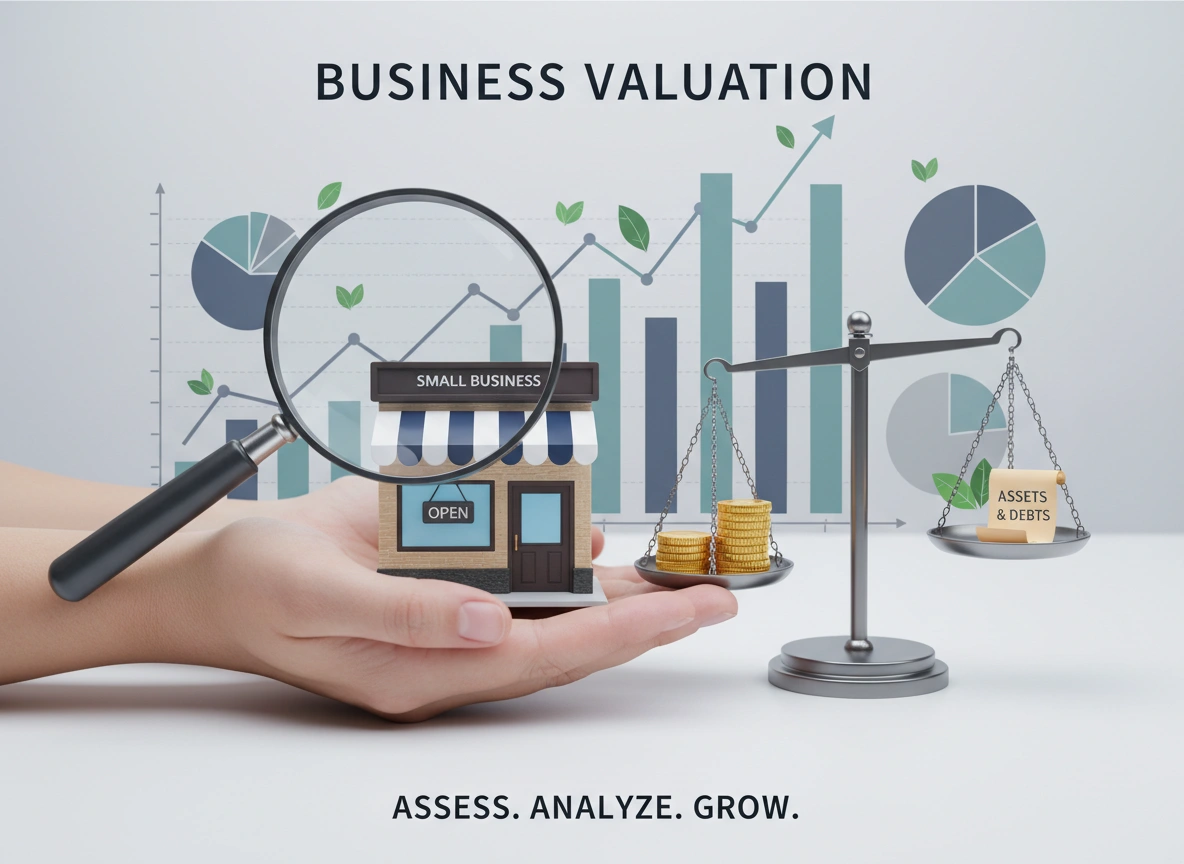
Purchasing a small business is one of the most significant investments you can make. It’s a decision filled with potential, but also fraught with risk. A core component of mitigating that risk is understanding the true value of the business you intend to buy. A seller’s asking price is just a starting point; your job as a prospective buyer is to conduct a thorough evaluation to determine a fair and realistic valuation. This process goes far beyond looking at the price tag. It requires a deep dive into the company’s financial health, market standing, assets, and future potential.
This guide will walk you through the essential steps to evaluate the value of buy a small business. We will explore financial analysis, market positioning, asset assessment, and the often-overlooked intangible factors that contribute to a company’s worth. By the end, you’ll have a clear framework for making a more informed and confident investment decision.
Understanding the Financial Foundation
The financial statements of a business tell its story in numbers. A comprehensive review is the first and most critical step in any valuation. You should request and scrutinize at least three to five years of financial records to identify trends, inconsistencies, and the true profitability of the operation.
Key Financial Statements to Analyze
- Income Statement (Profit and Loss): This statement shows the company’s revenues, costs, and expenses over a specific period. Look for consistent revenue growth and stable profit margins. Are profits increasing, or are they being squeezed by rising costs? Be wary of one-time revenue spikes that might inflate the picture of profitability.
- Balance Sheet: This provides a snapshot of the company’s financial health at a single point in time, detailing its assets, liabilities, and owner’s equity. A healthy business typically has more assets than liabilities. Pay close attention to the level of debt the company is carrying. High debt can be a major red flag, indicating potential cash flow problems.
- Cash Flow Statement: Perhaps the most important document, this statement tracks the movement of cash into and out of the business. Profit on paper is good, but cash is what pays the bills. A business that consistently generates positive cash flow from its operations is financially robust. Negative cash flow, on the other hand, could signal deep-seated problems.
Common Valuation Methods
Once you have a handle on the financials, you can apply several common valuation methods. It’s best to use more than one to arrive at a balanced view.
- Seller’s Discretionary Earnings (SDE): This is a popular method for small businesses. It starts with the company’s pre-tax net profit and adds back owner’s salary, benefits, and other non-essential business expenses. The SDE figure represents the total financial benefit a single owner-operator can expect from the business. This SDE is then multiplied by a “multiple” (typically between 2 and 4, depending on the industry and business stability) to arrive at a valuation.
- Asset-Based Valuation: This method calculates the value of the business by summing up the fair market value of all its assets (equipment, inventory, property) and subtracting its liabilities. This approach is often used for businesses that are not profitable or are facing liquidation, as it establishes a “floor” value for the company.
- Discounted Cash Flow (DCF): A more complex but forward-looking method, DCF projects the business’s future cash flows over a period (usually five years) and then discounts them back to their present value. This method heavily relies on assumptions about future growth, making it speculative but also valuable for understanding a company’s long-term potential.
Assessing Market Position and Industry Trends
A business does not operate in a vacuum. Its value is significantly influenced by its position within its market and the broader trends affecting its industry. A profitable company in a dying industry is a risky investment.
Evaluate the Competitive Landscape
Who are the main competitors? How does the target business differentiate itself? A company with a strong Unique Selling Proposition (USP), such as superior product quality, exceptional customer service, or a protected geographical territory, holds more value. Analyze the market share of the business. Is it a market leader, a niche player, or a small fish in a big pond? A dominant market position is a valuable asset.
Understand Industry Dynamics
You must research the industry’s health and trajectory. Is the industry growing, stagnating, or in decline? Technological advancements, regulatory changes, and shifts in consumer behavior can all impact a business’s future success. For example, a traditional retail store might face challenges from e-commerce, while a business specializing in renewable energy solutions is likely operating in a growth sector. Look for industry reports, trade publications, and market analysis to get a clear picture.
Evaluating Assets and Liabilities
A thorough valuation includes a detailed inventory of what the business owns and what it owes. This goes beyond the numbers on the balance sheet to assess the real-world condition and value of these items.
Tangible Assets
Tangible assets are the physical items the business owns. You need to verify their existence and condition.
- Equipment and Machinery: Is the equipment modern and well-maintained, or is it outdated and in need of replacement? The cost of necessary upgrades should be factored into your valuation.
- Inventory: Review the inventory to check for obsolete or slow-moving stock. Old inventory may need to be written off, reducing the company’s asset value.
- Real Estate: If the business owns property, get a professional appraisal. If it leases, carefully review the terms of the lease agreement. A long-term lease with favorable terms can be a significant asset, while a short-term lease with an impending rent increase is a liability.
Liabilities
Liabilities are the debts and obligations of the business. You must uncover all of them. This includes bank loans, lines of credit, accounts payable to suppliers, and any pending legal judgments or tax liabilities. Hidden debts can turn a seemingly good deal into a financial nightmare.
The Importance of Intangible Assets
Some of a business’s most valuable assets aren’t physical. These intangible assets can be major drivers of future revenue and are a critical component of a comprehensive valuation.
Brand Reputation and Goodwill
A strong brand with a loyal customer base is incredibly valuable. How is the business perceived in the market? Look at online reviews, customer testimonials, and social media presence. A positive reputation built over many years is difficult to replicate and can command a higher purchase price. This accumulated value is often referred to as “goodwill.”
Customer Lists and Relationships
A well-organized customer database is a gold mine. Analyze the customer list for repeat business. A high percentage of recurring revenue from loyal customers indicates a stable, healthy business. Strong relationships with key clients are also a significant asset, though you’ll need to assess whether those relationships are with the business or with the current owner personally.
Intellectual Property
Does the business own any patents, trademarks, or copyrights? Proprietary software, unique recipes, or a well-known brand name can create a strong competitive advantage. This intellectual property should be formally valued as part of the acquisition.
Employee and Management Team
A skilled and dedicated team can be one of a company’s greatest assets. Assess the experience and capabilities of the key employees. Will they stay on after the sale? The departure of essential personnel could disrupt operations and devalue the business. If the current owner is central to the daily operations, you must have a clear transition plan in place.
Putting It All Together for a Final Valuation
Evaluating a small business is a complex process that combines financial science with investigative art. After you have analyzed the financials, assessed the market, audited the assets, and considered the intangibles, you can formulate a valuation range.
Don’t rely on a single number. Instead, create a best-case, worst-case, and most-likely valuation based on your findings. This range will be your guide during negotiations. Remember that your final offer should reflect not just the business’s current worth but also its future potential and the risks involved. By being diligent and thorough in your evaluation, you position yourself to pay a fair price and acquire a business with a real chance for long-term success.