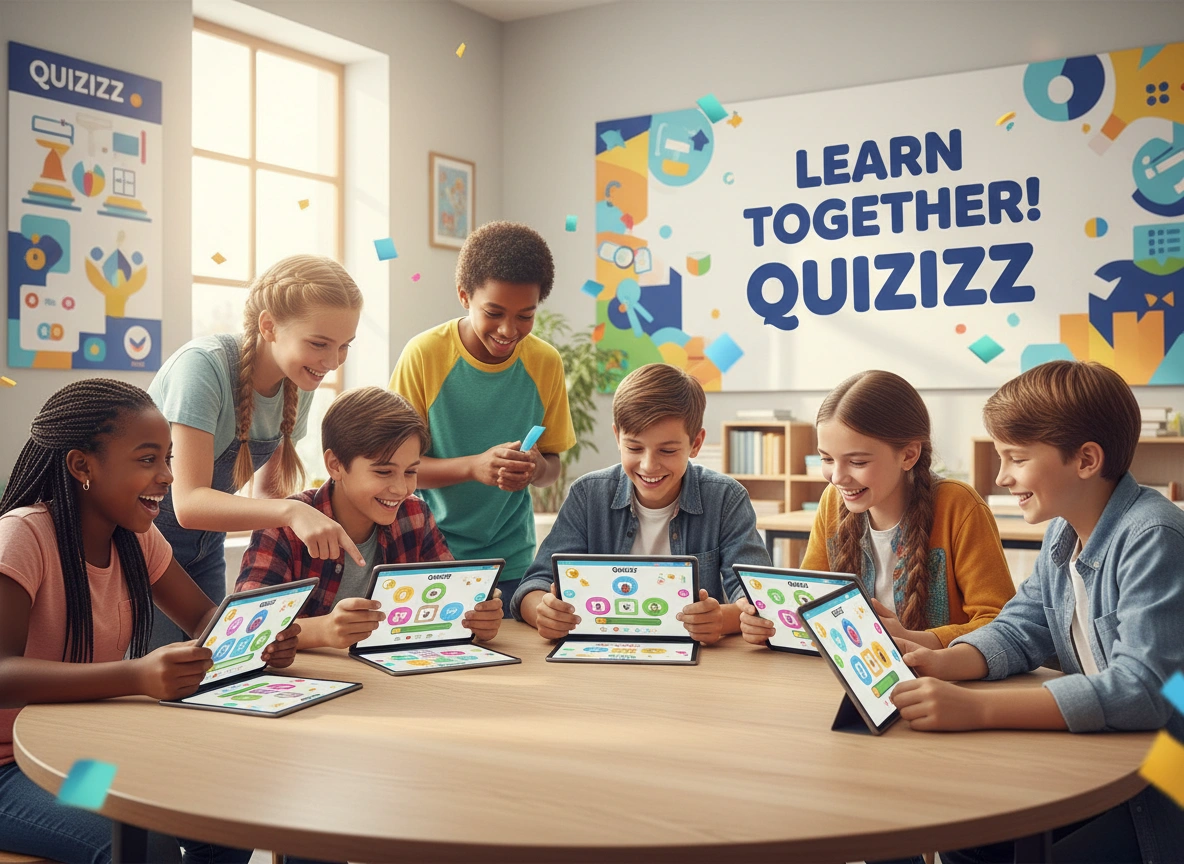
Learning is often viewed as a solitary activity: a student, a book, and a quiet room. However, education is evolving. The modern classroom thrives on interaction, discussion, and teamwork. This shift highlights the importance of peer learning and collaboration, where students learn from and with each other. Digital tools are at the forefront of this transformation, and Quizizz has emerged as a powerful platform for making collaborative learning engaging, effective, and fun.
This article will explore how Quizizz is uniquely designed to encourage peer learning and collaboration. We will examine the specific features that turn passive learning into an active, social experience. You will see how gamification, real-time feedback, and dedicated team modes work together to build a more connected and supportive classroom environment.
The Power of Learning Together
Before diving into the features of Quizizz, it is essential to understand why peer learning and collaboration are so beneficial. When students work together, they are not just sharing answers; they are building a deeper understanding of the material. This process enhances critical thinking, communication, and problem-solving skills—abilities that are vital for success both in and out of the classroom.
Peer learning creates a dynamic where students can explain concepts in their own words, often making complex ideas more accessible to their classmates. This act of teaching reinforces their own knowledge. Collaboration also promotes a sense of shared responsibility and community, reducing the isolation some students feel and boosting overall engagement and motivation. By working in groups, students learn to navigate different perspectives, manage conflicts, and contribute to a common goal.
Gamification: Turning Competition into Collaboration
One of the core elements that sets Quizizz apart is its use of gamification. By incorporating game-like elements such as points, leaderboards, and fun avatars, the platform transforms standard assessments into exciting challenges. While this might seem to foster individual competition, it cleverly lays the groundwork for powerful peer-to-peer interaction.
The Social Buzz of Leaderboards
Leaderboards are a simple yet effective tool for sparking conversation. After a quiz, students naturally discuss their performance. They ask each other questions like, “How did you answer that one so quickly?” or “What did you get for question five?” This organic dialogue is a form of informal peer teaching. Students who performed well can share their strategies, while others can clarify their misunderstandings. The competitive spirit quickly evolves into a collaborative effort to understand the material better.
Redemption Questions and Second Chances
Quizizz offers features like Redemption Questions, which allow students to re-attempt questions they answered incorrectly. This encourages a growth mindset, but it also opens the door for peer support. A student struggling with a concept can turn to a classmate who answered it correctly for help. This immediate, targeted support is far more effective than waiting for a teacher to review the entire class’s performance. It empowers students to take ownership of their learning and seek help from their peers.
Fostering Teamwork with Collaborative Quiz Modes
Quizizz goes beyond informal collaboration by offering structured modes designed specifically for teamwork. These features move students from individual players to members of a cohesive team working towards a shared objective.
Team Mode: Stronger Together
The Team Mode in Quizizz is a prime example of structured collaboration. The platform automatically groups students into teams, and the final score is a collective effort. This shifts the focus from individual glory to group success. Students must communicate and strategize to ensure everyone on their team understands the concepts. A high-flying student is motivated to help their teammates, as their individual success is tied to the group’s performance.
In this mode, discussions become a necessity. Before finalizing an answer, team members might debate the options, explain their reasoning, and arrive at a consensus. This process develops crucial communication and negotiation skills. It also builds empathy, as students learn to listen to and value different viewpoints within their group. The shared victory at the end fosters a sense of camaraderie and accomplishment that individual play cannot replicate.
Real-Time Feedback as a Collaborative Tool
Quizizz provides instant feedback after each question. This feature is not just for the individual; it is a powerful catalyst for peer interaction. When a student gets an answer wrong, they see the correct answer immediately. This prompts them to turn to a neighbor and ask for a quick explanation. This “just-in-time” learning is incredibly effective because it addresses knowledge gaps the moment they appear.
In a group setting, this real-time feedback fuels discussion. If the team gets a question wrong, they can pause and figure out why before moving on. This immediate course correction ensures that misunderstandings do not compound. It transforms the quiz from a simple test into a dynamic learning activity where students are actively constructing knowledge together.
Beyond the Quiz: Asynchronous Learning and Peer Review
The collaborative potential of Quizizz extends beyond live, in-class games. The platform supports asynchronous learning, allowing students to complete assignments at their own pace. This flexibility opens up new avenues for peer interaction.
Student-Paced Challenges and Study Groups
Teachers can assign a Quizizz as homework with a deadline. Students can tackle these assignments individually but often form informal study groups to work through them together. They can connect via messaging apps or video calls to discuss difficult questions, sharing their screens and collective knowledge to solve problems. This mirrors how modern professional teams collaborate remotely, preparing students for future work environments.
Creating and Sharing Quizzes
Quizizz also empowers students to become creators. Teachers can assign projects where students design their own quizzes on a given topic. This task requires a deep understanding of the material to formulate good questions and correct answer choices. When students work in groups to create a quiz, they must research, discuss, and debate the content, leading to a much richer learning experience.
Once created, these student-made quizzes can be shared with the rest of the class. This peer-review process is a fantastic form of collaborative learning. Students get to test their knowledge using questions framed by their peers, which often provides a fresh perspective on the material. The creators, in turn, receive feedback on their work, helping them refine their understanding and question-design skills.
Conclusion: Building a Collaborative Classroom Culture
Peer learning and collaboration are no longer optional extras in education; they are essential components of a modern, effective learning environment. These practices help students develop a deeper conceptual understanding while building the critical soft skills needed for lifelong success. The challenge for educators has always been finding tools that can facilitate this type of interaction in a way that is both structured and engaging.
Quizizz meets this challenge head-on. Through its thoughtful integration of gamification, real-time feedback, and dedicated team modes, the platform transforms learning from a solitary pursuit into a vibrant, social, and collaborative experience. It creates an environment where students are motivated to help each other, celebrate shared successes, and take collective ownership of their learning journey. By making collaboration fun and accessible, Quizizz helps teachers build a classroom culture where every student has the opportunity to learn from their most valuable resource: each other.